Showing posts with label heart. Show all posts

Monday, January 11, 2021

Unexpected benefits of water

Water splash
Drink enough water.

Have you ever asked yourself why we need so much water? We all know that drinking water has many advantages. One of them is the fact that it helps with the proper functioning of the body. 

Do you know what happens if you don't drink water? Or what if you only drink water? Let’s find out.


The human body is made up of 75% water

The majority of the human body is nothing but water.

An adult human body is composed of 45% to 75% water. In infants (babies less than 1 year), it is around 75% to 78%.


Benefits of Water

1. Filters the blood
2. Makes your face glow
3. Lubricates the joints
4. Maintains the digestive tract
5. Prevents heart disease
6. Slows the aging process
7. Improves sleep
8. May help with kidney stones

Benefits of water
Water keeps you healthy.

1. Water filters your blood

Water helps to filter your blood with the help of your kidneys. Kidneys contain millions of small filtering units called nephrons. Nephrons act like a tea filter.

They filter the blood to pull out things that you don't need (and can cause harm if left in the blood for too long). They pull out toxins and separate it them into urine which can be excreted safely.

Your kidneys need water to filter your blood properly.
Water cleanses your body.

2. Water enhances the glow on your face

Since water acts as a filter for blood, pure and clean blood produces new tissues and cells. The skin looks quite radiant and fresh. The skin tone looks fairer and even with adequate consumption of water.
 
Hydration makes your skin glow with radiance.
Stay hydrated for the sake of your skin.

3. Water lubricates the joints

Machines need lubrication. Your body is also like a machine in that it requires lubrication. Without this lubrication, joints and other parts of your body (blood vessels, brain and heart) start to break down.

Drinking water helps the lubrication of joints. If you are suffering from any kind of joint pain, drinking water is the best natural remedy if you are dehydrated. It should be one of the first things that you try.

Always remember that it is best to be seated while drinking water. Drinking water while standing can limit joint hydration.

Dehydration can cause joint pain.
Every body part needs water.

4. Water improves the digestive tract

If you have digestive problems like irritable bowel syndrome, diarrhea, gas, gastritis, constipation or loss of appetite; it could mean you are not drinking enough water or not eating healthy food.

Drinking enough water everyday can solve these problems. Your body needs water to convert food into nutrients. Imagine trying to put dry dust into your blood. Hydration helps the digestive system to eliminate stools as well.

Dehydration can cause digestive problems like irritable bowel syndrome, diarrhea, gas, gastritis, constipation or loss of appetite.
Water keeps your tummy healthy.

5. Water prevents heart diseases and slows the aging process

Drinking water decreases blood pressure by helping the kidneys to filter out excess sodium. It also lowers your stress levels by giving your body the blood circulation that it needs to regulate hormones (like the stress hormone cortisol) properly.

This slows down the aging process and lowers the risk of developing heart diseases.

Water prevents heart disease.
Proper hydration will prolong your life.

6. Water gives you better sleep

Drinking a glass of water right before bed can make you wake up in the middle of the night to use the bathroom, but hydration is still good for sleep. 

Toxin build-up, stress and other health issues caused by dehydration will keep you up much more than the risk of getting up to pee.

Make sure that you don't go to bed dehydrated. Even drinking half a glass of water can help you to have a healthier and better sleep.

Your body struggles to get good sleep when it is dehydrated.
You need water to recover.

7. Water may help with kidney stones


Water is an absolute must for people with kidney stones. It is a natural remedy for kidney stones as it should help to dissolve, flush or break up the stones.

Drinking excessive water can move the stone out of the body with urine.

Check out some articles from the Sparkle Purpose blog:


Friday, June 19, 2020

11 Physical health benefits of mental relaxation

Man practicing mental relaxation by still waters
Mental relaxation is healthy.

Mental relaxation like yoga, aroma therapy and meditation is extremely good for your mental health.

It also has impressive benefits for your physical health. Today we examine how mental relaxation can improve your physical body.
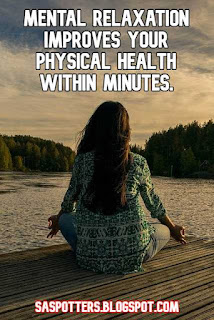
Mental relaxation improves your physical health within minutes.
Relax. It's good for you.

Physical health benefits of mental relaxation

There are many benefits of relaxation. They include:

1. Lowered blood pressure
2. Improved digestion
3. Maintenance of blood sugar
4. Improved blood flow to muscles and other tissues
5. Reduced muscle tension
6. Reduced chronic or prolonged pain
7. Better sleep quality
8. Higher energy levels and less fatigue
9. Less stress hormone activity
10. Lower heart rate
11. Slower breathing rate

List of the health benefits brought on by relaxation
Relaxation benefits almost everything.

1. Relaxation lowers blood pressure

Relaxing activities like yoga, tai chi, music, sitting in the sun, meditation, and relaxing social activities can dilate your blood vessels lower your blood pressure almost instantly.

Blood vessels dilate (expand) which helps blood to flow through them easier when you relax. This improves your body's ability to nourish itself all over.

The more often you relax, the easier it will be for your body to enter into a healthy state of relaxation. This is why doing relaxing activities or learning how to relax frequently can lower your overall blood pressure over time.

Relaxation lowers blood pressure instantly, and regular relaxation lowers total blood pressure throughout the day.
Blood pressure drops when you relax.

2. Relaxation improves digestion

Stress causes digestive issues like stomach discomfort, bloating, constipation, diarrhea, frequent toilet visits, ulcers, and an unhealthy change in appetite. It can worsen irritable bowel syndrome as well.

These issues may be acute (once off) in times of short-term stress, or chronic (doesn't go away) as a result of prolonged stress.

Mental relaxation helps to counteract the negative effects of stress on the digestive system.

This is why dome people need to go to the toilet or let out gas during relaxing activities like exercise - their digestive systems begin to return to a state normalcy as a result of the mental relaxation.
Relaxation techniques can help your digestive system to work normally again.
Share this image.

3. Relaxation helps to lower blood sugar levels

Stress triggers a chain of biological responses in your body. This is okay if it is balanced out with periods of rest and relaxation. When you stress too much, certain processes are left to run rampant while other processes never get the biological attention that they deserve.

Your body is not going to focus on healing itself, for example, if it thinks that it needs to gear up for impending danger.

Blood pressure and heart rate increase. Your breathing rate increases and you are more likely to breathe through your mouth. Muscles tense up in preparation for a burst of physical activity.

Digestion is put on hold until the body detects a time of rest and recovery.

Blood sugar levels can get real high during the stressful state because your body reacts to the stressful situation by pouring energy into the blood stream. When this energy isn't used, it is out of place and then damages your health.

Relaxation signals to the body that it can shut off these processes and go into a state of rest and recovery. Blood sugar is taken out of the blood stream and shuttled back into storage to be used at a later stage.

Your body puts off certain bodily processes like rest and recovery for times when there is no anticipated danger (stress). Relaxation activates these healing processes.
Relax more to heal more.

4. Relaxation improves blood flow to muscles and other tissues

When relaxation dilates blood vessels; blood circulation improves and blood flow increases. This helps with two very important things. 

Firstly, important nutrients like oxygen, energy and proteins can reach muscles and other tissues. This gives them the building blocks that they need to rebuild and function properly.

Secondly, by-products and toxins like carbon dioxide and old cells can exit muscles and tissues to be recycled or disposed of.


Increase the effectiveness of healthy habits by giving yourself enough time for good rest and recovery.
You need rest to succeed.

5. Relaxation reduces muscle tension

Stress indicates a danger that we need to escape from or a prey that we need to catch. Our minds and bodies work together in order to ensure our maximum chances of survival in these situations.

Stress tenses muscle fibers in preparation for a burst of physical activity. When we stay in the stressful state for longer periods of time, tension gradually increases. Tension gets greater over time because every fresh moment of stress adds to existing tension.

Periods of relaxation signal to our brains (and therefore our bodies) that the dangerous situation has passed and that we can go back to normal.

When the signal to relax does not come after an extended period of time (or if it comes too infrequently to balance out stressful situations), tension build-up leads to things like muscle knots, aches and pains, restricted blood flow and bad postural development.

This is why exercise is so good for things like mental stress. It is clear to the mind and body that the period of danger has passed at the end of the workout. People who stress and don't exercise live in a constant biological state of danger anticipation.

The bodies of people who exercise live as though the dangerous situation is gone. Every stressful situation then starts with a relaxed and healed body instead of adding to existing tension.

Relaxation also tells the body that the dangerous situation is gone and that they can therefore start internal healing processes.

Relaxation prevents the negative effects of stress.
Relaxation is essential to health.

6. Relaxation for pain

Studies show that relaxation reduces both chronic (persistent) and acute (once-off) pain.

Web MD explains that chronic stress is one of the factors that contribute to pain, and that relaxation exercises can help with natural pain relief as part of your pain management plan.

The pain response is very similar to the stress response. Heart rate, blood pressure, breathing rate and muscle tension all increase. Both pain and stress hit your nervous system hard. It is hard for the body to relax or to heal in this kind of state.

Web MD mentions studies that reveal that just thinking about a stressful event (or talking about it) causes a dramatic increase in back tension for patients with back pain.

Stress can increase the harshness of pain, while relaxation dulls its effects.

An elevated sense of well-being from relaxation helps people to cope with pain as well. It helps to mitigate the frustration that chronic pain tends to cause - the frustration that makes the pain worse to begin with.

Stress increases sensitivity to pain. Relaxation improves pain tolerance.
Use relaxation for pain relief.

7. Relaxation increases sleep quality


Most techniques that help you to sleep are techniques that help you to relax.

Our bodies go through periods of high energetic activity and restfulness. Hormones tell us when to be active and when to relax. We are supposed to relax before bed time in order to get the best amount of high quality sleep.

It is almost impossible to get good natural sleep without being in a state of relaxation. Regular relaxation activities will help you to fall into a state of relaxation that is conducive to good sleep much quicker.

Imagine being able to sleep as soon as you want to.

Relaxation will also improve the quality of your sleep. This means that every hour of sleep is much more valuable in terms of its restorative effect on physical and mental health.

The more relaxed you are when you fall asleep, the better you will feel when you wake up.

Relaxation techniques improve your ability to fall asleep and improve overall sleep quality.
Relax to sleep better.

8. Relaxation for higher energy levels

Relaxation can improve your energy levels.

The fact that relaxation improves blood pressure, digestion, blood sugar, blood circulation, muscle tension, pain, sleep, stress and breathing means that your body can heal itself.

You will be healthier and your body can finally heal from issues that it has been putting off because it was in a constant state of stress. Freedom from stress frees up precious energy that your body can use for other functions like healing and recovery.

There's only so much healing that you can do. Once you have received the healing that your body needs, energy levels will improve as you have more physical energy at your disposal.
Regular relaxation improves energy levels by healing the body.
Relax for energy.

 9. Less stress hormone activity

The stress hormone cortisol isn't a bad hormone. It has very important functions. It helps to turn nutrients into energy and gives you the motivation to get up and do different activities.

Cortisol becomes unhealthy when we have too much of it. This happens when we stress at a higher intensity than what we should. It also becomes unhealthy when it is elevated for extended periods of time.

Cortisol should rise sharply in the morning when we wake up to give us energy for the day. It should slowly taper off to reach its lowest point when we sleep.

Stress throughout the day triggers an up-regulation of cortisol so that it doesn't slowly taper off. This is why so many people struggle to fall asleep at night.

Exercise can modulate sleep patterns through many different mechanisms. One of them is the ability to push cortisol back into healthy levels.

Relaxation is a great countermeasure against stress. It can reduce cortisol by the same degree that stress increases it.

This will help you to keep your stress hormone (cortisol) levels in balance so that it serves you but doesn't burn you.

Stress is good for you. Too much of it is the problem.
Use relaxation to reduce stress.

10. Relaxation to lower heart rate

High blood pressure, high blood sugar, rapid breathing and a faster heart rate are all cardiovascular responses to stress that aren't bad for you if they come and go in the way that they are supposed to.

Stress triggers these conditions while relaxation does the opposite. These conditions become chronic when the presence of stress, in the absence of relaxation, causes an elevation without the opposing reduction.

This puts a lot of pressure on your cardiovascular system. Your heart shouldn't have to labor at a stressed rate all of the time. It needs periods of relaxation. The risk of various heart diseases (and other cardiovascular disease) increase without vital periods of relaxation and recovery.

Give yourself some much-needed relaxation time to balance out the physical effects of mental stress.

Stay healthy. Balance out times of stress with times of relaxation.
Give your heart a break.

11. Slower breathing rate

A high-paced, stressed-out state of mind increases your heart rate and your breathing rate.

Some physical bodily processes speed up (like heart rate and breathing) while others slow down (like digestion and healing) to help you survive in periods of stress.

Our bodies need to slow down in order for other bodily processes to become a priority. When you slow down mentally, your breathing rate and heart rate will slow down as well.

Blood pressure will drop and your body will experience a shift in energy.

Mood changes include a change in attitude, similar to enlightenment.

Digestion works better and the immune system can work in the way that it is supposed to.

Healing processes that have been put off can come back online to restore your body.

Many people use techniques to slow their breathing so that their bodies can enter into this healing, restorative state. Your breathing rate will slow down automatically when you relax.

Breathe Fleece Blanket Black
Support our website and buy this awesome Fleece Blanket!

Sunday, October 20, 2019

Disadvantages of a keto diet


The ketogenic diet

A ketogenic diet (or keto diet) is a diet with very low or no carbohydrates that keeps your body in a state of ketosis. Ketosis is a state where the body converts fats into energy instead of sugar. Nowadays, everyone wants to lose weight. Many people are promoting and using the keto diet for rapid weight loss - especially in the United States. The reason it has become so popular is because the keto diet helps you to lose quite a lot of weight in a minimum amount of time. The keto diet, though, might be an unhealthy way to lose weight. Let's look into how keto diet could be unsafe for us.

Types of keto diets

There are several types of a keto diets. Some of those are as follows:

High-protein keto diet

It is rich in proteins. It contains 60% fats, 5% carbs, and 35% proteins.

Standard keto diet

This one is low in carbs and high in fats. It contains 75% fats, 5% carbs, and 20% proteins.

Targeted keto diet

This one allows you to add carbs in workouts.

Disadvantages of a keto diet


Negative impact on the heart

Many people are happily adopting a keto diet because it allows foods like burgers, pizzas, and meat. The meat-heavy nature of this diet increases cholesterol levels in the body. It is also high in fats, so it harms your blood cholesterol level.

When the amount of LDL (low-density lipoprotein) increases in the body, it causes slow blood flow to the heart muscles. Arteries become narrow, and this condition can lead to heart disease.

Deficiency of essential nutrients

Our body needs many essential nutrients to work properly. These nutrients include proteins, minerals, fats, vitamins, and carbohydrates. To remain healthy, we need a healthy diet that contains all these nutrients. Keto diets don’t allow whole grains and fruits. The keto diet can therefore lead to a shortage of essential nutrients. You lose weight through this diet, but your body loses nutrients that are needed to perform important cellular tasks. So if you are planning to follow a keto diet, always consult a registered dietitian first.

Keto flu

The deficiency of carbs in the body causes keto flu during a keto diet. Keto flu is a condition where you feel

Headache
Nausea
Fatigue
Hunger
Irritability
Constipation

Sleep and hydration will help but you will still feel weak throughout the day. It is because our body gets most of our energy from carbohydrates. With a low intake of carbohydrates, your body doesn’t get much power and you can feel sick as a result.

Can make you feel thirsty

Your body converts carbohydrates into glucose, and glucose stimulates the pancreas to produce insulin. Insulin carries glucose to cells of the body for energy and saves the rest of glucose as glycogen. Between meals, our body takes energy from these glycogen stores.
During a keto diet, there is a deficiency of carbohydrates in the body and it doesn’t produce sufficient amounts of insulin. Instead, ketones interrupt overall electrolyte levels. This causes the kidney to release water. It leads to frequent urination. Your mouth remains dry throughout the day and you feel thirsty.

Causes bad breath

You may have lousy breath if you have recently started a keto diet. Our liver uses fat cells to produce organic compounds called ketones during a keto diet. It includes acetoacetic acid and acetone. These byproducts show up in your breath. When your body starts to break down fats for energy, gases are produced. These gases are released through urination and exhalation. So people often complain about bad breath during a keto diet. Bad breath is actually a good sign too that your body has started burning fats for fuel.

Sugar deficiency

We know that too much sugar can damage the body, but our body needs enough sugar to work optimally. Sugars travel through the bloodstream to the cells. There, they provide energy for the cells. Carbohydrates and sugar break down into glucose. The brain cells and red blood cells use glucose for energy.

During a keto diet, our body doesn’t get enough carbs and sugars. Glucose doesn’t travel through the bloodstream, and you feel low in energy.

Regaining the weight

You may lose weight in a short period of time through a keto diet, but as soon as you introduce carbs again, your body starts to gain the weight back.  It is because keto diet relies on ketosis for a particular process and once the body is no longer in that state, you begin to gain the weight back. If you want to avoid this situation, consult a dietitian so he/she can guide you through a balanced diet.

Causes diarrhea

If you are going to the bathroom again and again during the keto diet, you are not alone. Many people face this problem during a keto diet. It can be due to a lack of fiber. When you cut off carbohydrate-rich foods like vegetables and whole grains, diarrhea can occur. This is common when you switch to a low carbohydrate and high-fat diet. Diarrhea can also happen due to an increase in dairy and artificial sweeteners.

Conclusion

The keto diet is missing some essential nutrients and some primary food groups. Keto diet can be beneficial for some people for a short period. But people who have a higher risk of heart disease should avoid a keto diet. If you want to lose weight, shift to a healthy diet. It will help you to lose weight and support a healthy lifestyle. But if you're going to use a keto diet, it is better to consult your dietitian for the right food choices.

Saad Shah

My name is Saad Shah. I am an avid food lover and food nutrition blogger. I'm a firm believer in the transforming powers of food. I run a nutrition blog on my website nutrition to encourage conscious food choices, with knowledge of their nutritional value.

Breathe Socks Light Blue
Support our website and buy these awesome Socks.