Showing posts with label benefits. Show all posts

Thursday, December 24, 2020

What happens when you exercise?

Man running in a beautiful landscape
Exercise has many effects.

What happens when you exercise?

Your heart beats faster. Blood circulation increases and more nutrients are sent throughout your body. You may feel hot and start to sweat. Mental stress seems to disappear, you feel a light mental high from endorphins and you feel a strong sense of pride afterwards.

Some people are really fond of exercise. They make it a daily habit. Have you ever wondered what happens to your body when you exercise? 

We should all know that exercise makes you healthy and improves your efficiency in all areas of your life. Here are a few ways that it helps you out in a mental, emotional and physical way.


What are benefits of exercise?

  1. Improves blood circulation
  2. Reduces mental stress
  3. Improves mood and makes you happier
  4. Makes you sleep better
  5. Reduces the risk of many diseases
  6. Improves confidence and helps you to feel relaxed
  7. Makes the heart strong
  8. Exercise actually makes you a wiser person


List of exercise benefits
Exercise is so good for you.

1. Improves blood circulation

There are many effects of exercise on the heart. When you exercise, your body needs more nutrients and your heart pumps blood faster throughout your body. This ultimately results in hotness and sweating. Non-exercising organs like your brain, skin and liver benefit from this extra blood flow.


2. Exercise reduces mental stress

If a person exercises regularly, it will reduce mental stress hormones like cortisol. It will also increase happy hormones like endorphins and serotonin. Endorphins interact with the receptors in the brain to reduce your perception of pain. This goes for both mental emotional and physical pain. Endorphins and serotonin also trigger a positive feeling in your body.


3. Exercise improves your mood and makes you happier

A lot of research has shown that people who exercise are happier than those who do not. It is because of the dopamine and serotonin (happy) hormones that get elevated naturally through exercise.


Exercise makes you happy.
Our emotional state needs exercise.

4. Exercise helps with better sleep

Physical activity improves sleep quality and increases deep sleep duration. Exercise may also bolster sleep in other ways because it reduces stress and tires you out.


5. Exercise reduces the risk of some diseases

Regular physical activity improves overall health, fitness and quality of life. It also helps in reducing several diseases like cancer, anxiety, depression, heart disease and diabetes. 


6. Exercise self-improves confidence and makes you feel relaxed

Regular exercise can increase self-confidence by improving body image. While exercising, you're likely to strengthen and tone your body. Seeing these results can greatly improve your self-esteem and help you feel better about the way that you look.


7. Exercise makes your heart strong

Just as exercise strengthens other muscles in your body, it helps your heart muscle become more efficient and better able to pump blood throughout your body. This means that the heart pushes out more blood with each beat, allowing it to beat slower and keep your blood pressure under control.


8. Exercise makes you wiser

During exercise our body releases endorphins which increase the ability of the brain to sort out priorities. It allows us to concentrate and block out distractions. It improves your capacity of remembering and hence you will start to remember more things than before.


Exercise increases mental alertness, boosts memory, reduces the tendency to become distracted and actually makes you wiser.
Your brain needs exercise.

What happens when you don't exercise?

  1. Skin looks horrible without blood circulation
  2. Shortness of breath and poor cardio-vascular health
  3. Sleeping issues
  4. Brain fog and mental decline
  5. You get sick more often
  6. Muscles get weaker over time

Lack of exercise
No exercise will harm your health.

1. A bad complexion

Exercise improves blood circulation. Skin cells get the nourishment that they need through exercise. If you don’t exercise, you will have more wrinkles and acne. You will also have a dull face.


2. Shortness of breath

If you don’t exercise, your body will get tired after doing a small amount of work like a short flight of stairs or running for the bus. Even cleaning your house will have you taking breaks to catch your breath. Simple tasks become much bigger chores than what they actually are.


3. Sleepless nights

If you don’t use your energy throughout the day, you’ll have a hard time going into sleep mode even though you feel tired and lethargic.


4. Mental fog

Your brain won’t be on the top of its game if it doesn’t get enough oxygen and other important nutrients (because of poor blood circulation and shortness of breath). Without regular exercise, you will find it harder to concentrate at work. Suppose, you came into your room and you forgot why you came?


5. More sick days

If you are living a lazy or lethargic lifestyle, you are going to suffer through more sick days because your immune system is not as strong as it should be.


6. Weak muscles

Without exercise you’ll find it difficult to hold a grocery bag. Even standing for a long time will wear you out. You will feel the constant need to get more rest.


Conclusion

After reading this, I really hope that you understand why it is so important to exercise regularly. I’d like thank all my readers who stand to benefit from this article. Stay blessed!


Other posts from Sparkle Purpose:


Crying baby
Why do we get tears when we cry?

Woman in shock
27 Crazy facts that will blow your mind

Man struggling to wake up
This is why you don't wake up at 5 am.

Water splash
Is water wet or not?

Monday, March 9, 2020

Disadvantages of bok choy

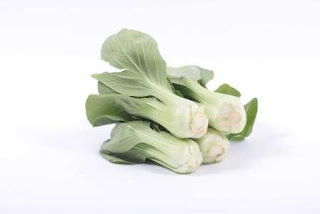
Bok choy
Don't eat too much bok choy.

Bok choy is a super food. It is low in calories and high in fiber and water. Bok choy gives your body almost all of the micro nutrients that it needs. Everybody should eat green leafy vegetables like bok choy.

This doesn't mean, though, that you can have as much as you want or eat it exclusively instead of other foods. Just like with any food group, green leafy vegetables become unhealthy when you eat too much of them. This can lead to serious health problems.

Disadvantages of bok choy

  1. Low in key nutrients: protein, fat, carbohydrates and calories
  2. Diminished appetite when eaten in excess
  3. Diarrhea, bloating and gas and other digestive issues when introduced into the diet
  4. One of the worst foods to eat before, during or after exercise
  5. Contamination, toxic pesticide residue and disease risk

List of disadvantages of bok choy
Make it a part of a balanced diet.

Nutritional content of bok choy

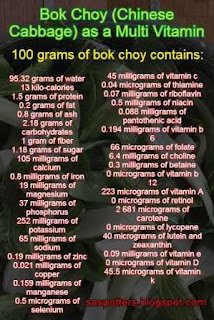
100 grams of bok choy contains:
  1. 95.32 grams of water
  2. 13 kilo-calories (or 55 kilo-joules of energy)
  3. 1.5 grams of protein
  4. 0.2 grams of fat
  5. 0.8 grams of ash
  6. 2.18 grams of carbohydrates
  7. 1 gram of fiber
  8. 1.18 grams of sugar
  9. 105 milligrams of calcium
  10. 0.8 milligrams of iron
  11. 19 milligrams of magnesium
  12. 37 milligrams of phosphorus
  13. 252 milligrams of potassium
  14. 65 milligrams of sodium
  15. 0.19 milligrams of zinc
  16. 0.021 milligrams of copper
  17. 0.159 milligrams of manganese
  18. 0.5 micrograms of selenium
  19. 45 milligrams of vitamin c
  20. 0.04 micrograms of thiamine
  21. 0.07 milligrams of riboflavin
  22. 0.5 milligrams of niacin
  23. 0.088 milligrams of pantothenic acid
  24. 0.194 milligrams of vitamin b 6
  25. 66 micrograms of folate
  26. 6.4 milligrams of choline
  27. 0.3 milligrams of betaine
  28. 0 micrograms of vitamin b 12
  29. 223 micrograms of vitamin A
  30. 0 micrograms of retinol
  31. 2 681 micrograms of carotene
  32. 0 micrograms of lycopene
  33. 40 micrograms of lutein and zeaxanthin
  34. 0.09 milligrams of vitamin e
  35. 0 micrograms of vitamin D
  36. 45.5 micrograms of vitamin k

List of nutrients in bok choy
You get almost all your micro nutrients.

1. Low in protein, fat, carbohydrates and calories

Bok choy (and other green leafy vegetables) is a great source of micro nutrients (vitamins, minerals, antioxidants, fiber). Due to the fact that they are over 95% water, they aren't very good sources of macro nutrients.

Low in protein

You need protein to make new tissue (brain, muscle, joint and heart, lung, skin, hair and nail tissue), antibodies, enzymes and blood. Low protein can diminish the quality of any of these parts of your body. In fact, low protein leads to many diseases, frequent infections, brittle nails, hair loss and depression.

The minimum daily protein intake protein is 0.8 grams per kilogram or 0.36 grams per pound. There are about 1.5 grams of protein for every 100 grams of bok choy.

If you weighted 70 kilograms (or 154 pounds), you would need to eat 5.8 kilograms (or 13 pounds) of bok choy to get your minimum daily protein requirement. This figure would increase if you weighed more or if you exercise regularly.

Compare that to 438 grams (or 15 ounces) of nuts or 302 grams of chicken for your daily, minimal protein requirement.

Bok choy just doesn't cut it as far as what you need regarding protein.

Nutritional balance reigns supreme for health and weight loss.
Don't miss out on key nutrients.

Low in fat

Fat is extremely important to your health. It is a stable from of energy. Fats give us essential fatty acids that can't be produced within the body. It is an important component of cell walls and gives us the means to absorb fat-specific nutrients like vitamin A, vitamin D, vitamin E and vitamin K.

Fat regulates your hormones and provides you with energy when you aren't eating food. It prevents energy burnout, insulates your body and protects your organs from damage.

You should eat 44 - 77 grams of fat per day, on average.

There are 0.2 grams of fat per 100 grams of bok choy. You would need to eat 22 kilograms (or 48.5 pounds) to 38.5 kilograms (or 85 pounds) of bok choy to get your daily fat requirement.

Avocado will give you 15 grams of fat per 100 grams. You would only need to eat 293 grams (or 10 ounces) to get your daily fat intake.

Learn about the types of fat - and which ones you should eat.

Eating too little fat can lead to excess hunger, dry skin, poor temperature regulation, mental fatigue and hormonal disruptions (loss of menstrual cycle in woman and low testosterone in men).

Good sources of healthy fats include avocado, cheese, dark chocolate, eggs, fatty fish, nuts, chia seeds, extra virgin olive oil, coconuts, coconut oil and full-fat yogurt.

List of foods that have good fats
Good fat foods come with other nutrients.

Low in carbohydrates

Bok choy is an extremely low carbohydrate food at 2.18 grams of carbohydrates per 100 grams. This makes it a great option for people who want to eat a low carbohydrate diet or follow the keto diet.

It is not a good source of carbohydrates, however, for people who want to follow the health dietary recommendations.

This is how you can work out how many carbs you should eat. A moderate carb intake would be 75 to 150 grams per day.

Bok choy simply doesn't have enough carbohydrates to meet this carbohydrate goal. You would need to eat 2.78 kilograms (6.1 pounds) - 6.88 kilograms (15.2 pounds) of bok choy to meet the above goal.

Good sources of carbohydrates include vegetables, fruit, legumes, nut, seeds, whole grains and tubers.

You would only need to eat 429 grams (15 ounces) to 857 grams (30 ounces) of potatoes to get the right amount of carbohydrates.

List of natural carbohydrate sources
Eat the healthiest type of carbs.

Low in calories

Bok choy does not have enough calories to fulfill your daily caloric (energy) requirements, either.

100 grams of bok choy has 13 calories. If you plan to consume the recommended 2000 calories per day, you would need to eat over 15 kilograms (more than 33 pounds) of bok choy!

While this makes it a great food to reduce your caloric intake and feel full, relying too much on bok choy has the disadvantage of starving your body of the energy that it needs.

Low calorie diets can be dangerous. They can cause fatigue, mental decline, muscle loss, diarrhea and constipation, eating disorders, depression, hormonal imbalances and gallstones.

Unhealthy diets that limit calories too much lead to more weight gain in the future. Your body will adapt by increasing appetite and lowering metabolism. This will cause greater weight gain as soon as you stop your unhealthy diet.

A good weight loss diet should make you feel more energized - not lacking for energy. It should improve your health so much that you never want to go back to unhealthy eating.
If your diet lowers your energy, it's not a good diet.
The best diets are sustainable.

2. Diminished appetite when eaten in access

One of the disadvantages of bok choy is the fact that it can reduce your appetite. This might be great for people who want to lose weight, but it is not so good for people who struggle to eat enough as it is.

The large water content of bok choy adds bulk to the food without any nutritional value. Fiber takes longer to break down and sits in your gut for longer. This will prolong the time that it takes before you feel the need to eat again.

If you eat too many low-calorie, high-fiber foods; you won't feel hungry often enough to eat all of the nutrients that you need. This can lead to nutrient deficiencies and a weaker, undernourished body.

My appetite plummets as soon as I have my daily 5 fruit and vegetables (which are so important for all of the micro nutrients). To overcome this disadvantage, I eat my calorie-dense foods (that are high in proteins, fats and carbohydrates) first. I save my fibrous foods for the end of the day so that they don't stop me from eating all of the foods that my body needs.

Bok choy, as we have already seen, is high in so many beneficial nutrients. This doesn't mean that you can rely on it as your primary food source. Always choose a variety of different foods from different food groups so that your body gets all of the important nutrients.

You need moderation and balance to be healthy.
Too much of any food can hurt you.

3. Digestive issues caused by bok choy

Green leafy vegetables like bok choy are actually very good for your digestive system. The fiber feed good gut bacteria that regulate your immune system, turn food into nutrients and produce important chemicals that we can't get without them.

Fiber is hard to digest. It takes more work to break it down to access the nutrients. In the long run, this improves your digestive health.

Junk food is easily digestible and leaves you craving more in a short space of time.

If you have only recently started eating more healthy foods, green leafy vegetables like bok choy can be harder to digest than it should be because your digestive system is used to breaking down easily-digested nutrients.

This can lead to numerous digestive issues like bloating, diarrhea, gas, constipation and cramps.

Don't change your diet too dramatically in a short space of time. Give your body time to adapt. Eat smaller portions of fibrous food, at first, so that your digestive system has time to rediscover how to break it down.

Implementing dietary changes incrementally can negate the risk of digestive issues that big changes can cause.

Make small changes and give your body time to adapt.
Small changes are good for you.

4. Bok choy is not good before or after exercise

Fiber and other food that is hard to digest causes blood to pool in your digestive system. This isn't a bad thing - this is a vital part of your digestive process. 

The problem is the fact that your body will have less blood (with nutrients like energy and oxygen) for movement when it focuses on digestion. This is why we feel lethargic after a large meal.

Less blood flow will decrease the amount of exercise that you can do if you eat bok choy before exercise. Decreased blood flow will also reduce the amount of recovery that you get from exercise if you eat it afterwards for the same reason.

If you eat right before or after exercise, focus on food with less fiber and more carbohydrates, fats and proteins. Choose foods like peanut butter and bread, pasta, eggs, chocolate milk, yogurt and fruit (like grapes and bananas). Here are great workout snacks for people on keto.

A full belly can reduce exercise performance.
Eat smart.

5. Bok choy may present a contamination and disease risk


One of the disadvantages of healthy food is the fact that bacteria and other pathogens tend to love them just as much as our bodies do.

Healthy food tends to spoil easily. This is not only an inconvenience, but a health risk to you and those around you.

Avoid bok choy that looks a little off at the store. Throw it out when it starts to spoil and wash it before you cook with it. This will help to reduce the risk of contamination.

There is also a risk of toxic ingestion of the pesticides and fertilizers used to grow bok choy. This is another important reason to wash all of your fresh produce.

Wash fresh produce to eliminate germs and pesticides.
Eat clean.

Bok choy will remain one of the best healthy foods to eat. The disadvantages show that you can't eat it exclusively, or in too high quantities, because you need to get all of the nutrients that your body needs through a variety of different foods.

Include it as part of a balanced, healthy diet and you are all set to go. Stay Strong!

Breathe Crew Socks Light Blue
Support our website and buy these awesome Socks.

Thursday, February 27, 2020

Advantages of junk food in schools

Sweets
Address the need to solve the problem.
If we're going to tackle the issue of junk food within schools, we need to understand the advantages that junk food and processed food has over healthy food.

By now, we know that processed food elimination is one of the most important preventative health measures and that any healthy diet should avoid it. Healthy food is extremely important for the mental health of students.

If all of this is common knowledge, why is junk food still so prevalent? The reason is that junk food has many advantages that healthy food does not meet in its current form.

Let's look at the ways the junk food benefits students in schools so that we can devise smarter to ways to meet these needs with better food options.

Junk food will reign supreme until we design healthy food to surpass all of its benefits.
What needs does junk food meet?

Advantages of junk food in schools

  1. Junk food fills you up quickly
  2. Junk food is cheap and easy to produce
  3. There are millions of dollars invested into the marketing of junk food
  4. Junk food tastes good (addictive substances like sugar, sodium and sweeteners)
  5. Junk food is tightly ingrained into modern culture
  6. Junk food is convenient (does not spoil, is not easily damaged, easily carried in bags)
  7. The packaging is designed to make you crave junk food

1. Junk food fills you up quickly

Time is a precious resource. Students are quickly introduced to a rushed lifestyle as they shuttle from one class to another. They have a limited time to satisfy their hunger during a lunch break before their next class begins.

You could finish an entire burger and fries in the time that it takes to peel an orange. The fact that you need to chew on an apple or carrot for longer than you need to eat a bag of chips is one of the reasons why we don't like eating fruit. 

Fruit is mostly made up of water and fiber. This provides fewer calories per bite and causes you to chew more for fewer nutrients. The weight loss and nutritional benefits of healthy food are negated by the fact that you feel fuller for less consumption time with processed, junk food.

The fiber in fruit, ironically, will keep you fuller for longer - It just takes more time to get to that point when you consume it. Chewing food for longer also gives you a sexy jawline.

How to overcome the fact that junk food feels more filling

The easiest way to overcome the time-saving advantage of junk food is to recognize the fact that you will feel less hungry in the hours to come when you eat whole food instead of junk food. Why save a few moments of chew time when you can save an entire hour or two of hunger later down the line?

Another key element is to focus on what you are filling up on. Fill up on the stuff that improves brain function. Don't fill up on the stuff that lowers your energy levels in the long run.

Take pleasure in the habits that are good for you.
Enjoy health.

2. Junk food is cheap and easy to produce

Processed food is often made from the unwanted by-products of agriculture. Cheap ingredients like sugar and sodium are used to enhance taste. Chemicals can be made on a massive scale to reduce their cost. An enhanced shelf life means that products don't need to be transported, shelved or sold at a certain time.

The cost of delivery is reduced when it can be prioritized over time of delivery. Foods that don't require refrigeration, for example, are cheaper to move from one location to another.

Unfortunately, the opposite is true when it comes to whole, natural foods. Fresh produce incurs loss at every step of the process. A certain portion of fresh produce is lost during the growing phase. More is lost when it is picked and sorted. There are greater losses between transportation and shelving.

This dramatically increases the cost of unprocessed food.

Hormones, antibiotics, fertilizers and pesticides reduce the rate of food loss. This is why organic and free-range food is so much more expensive (even though it can have double the beneficial value).

Processed food also lasts longer after it has been purchased. You can buy a month's supply of instant noodles in bulk. You don't have to worry about the fact that it will spoil. You can't do the same of most fruit and vegetables. You'd have to buy them a week in advance or else they will spoil.

How do you overcome the cheap price of processed food?

You can freeze fresh produce to prolong its shelf live. This will enable you to buy healthy food in bulk.

It is also a good idea to buy locally produced food. You get to support local farmers (who probably use fewer chemicals than large companies who produce food to scale). This greatly reduces transportation costs - along with the costs of food loss along every step of the delivery process.

You can also save money by purchasing selected fruit and vegetables within their season.

Another great idea is to look into growing your own food at home. Start with a single herb and take it from there.

Health does not need to be expensive.
Smart health can save you money.

3. Billions Of dollars are poured into the marketing of junk food

Junk food is extremely desirable. A large part of its desirability is owed to the extensive marketing campaigns that junk food companies promote. McDonald's, for example, spent over 470 million dollars on advertising in 2018. Coca-Cola spent around 5.8 billion dollars on advertising in the same year.

These adverts program the viewer (or listener) to view junk food as pleasurable. The products are seen as one of the ways that you can achieve happiness or a sense of rest from your daily grind.

To test the results of extensive product advertising, try to name 5 fast food brands. Now try to name 5 producers of fruit, vegetables or whole meat. The only 'health' products we can name are also processed foods like supplement companies.

A large part of this is the fact that whole food companies do not rely on advertising to sell their products. They rely on price to provide their products to retailers and, therefore, consumers. Since they rely so heavily on price, advertising budgets are greatly limited.

It is hard to differentiate one apple from another through advertising, but is it easy to do so for beverages with different taste profiles.

If the same level of marketing for junk food was used for healthy food, our internal perspective about healthy food would be a lot different. We would consume more healthy food automatically because we'd be programmed to do so.

How to overcome the mass marketing of junk food

Health bloggers, YouTube influences and other online personalities have changed health culture in the past few years. We used to get our health advice from our doctors once a year - if they made any health recommendations at all.

The rise of online health communities has changed the way that people perceive a healthy lifestyle. This may give rise to extremism (taking a certain health principle too far or promoting a health benefit that does not exist), but health sources that point to reputable studies can usually be trusted.

People who expose themselves to these health sources on a regular basis are more likely to choose healthier alternatives.

The more you expose yourself to health advice, the more likely you are to make healthy choices.
Choose your influence.

4. Junk food tastes good

Plants and animals weren't designed to taste good. They were designed with to survive and flourish as much as possible.

Junk food, on the other hand, is specifically designed to taste as good as possible. Researchers take advantage of our natural inclination towards certain flavors and use them to sell more products. They are designed to be addictive.

Sugar is rare in nature. Our brains release dopamine when we eat it to ensure that we can remember where to find that source of food when food is scarce. Sugar has the role of telling us what is edible and what is not.

Processed food takes advantage of our natural inclination towards sugar. Food with more sugar than its alternative will have greater sales. Companies now add as much sugar as possible to processed food to help it outsell its competitors.

The maximum amount of sugar that a food can take before its taste is negatively affected is called the bliss point. This is also done in foods we don't even think about - like bread, pasta, ketchup and peanut butter.

Sugar is not the only addictive substance that makes food taste better than it should. Manufacturers use salt, MSG, fat and oil for the same reason.

Anecdotal evidence has linked MSG to a variety of health complications, but companies still use the chemical because it gives them an edge over the products that don't.

Artificial sweeteners are proven to be more addictive than cocaine. This is another ingredient that improves the taste and desirability of junk food over natural food.

How do we overcome the good tasting effects of junk food?

It takes 10-14 days to renew your taste buds. You don't need to wait too long to change your flavor profile. 

The power of association can also trump the addictive qualities of junk food. It is good to associate junk food with bad things like health complications and associate healthy food with good things like an improved appearance, better energy or enhanced concentration. 

There more you know about something, the more likely you are to make the smarter choice. Knowledge is power.

How health advice changes our behavior
Know more. Be better.

5. Junk food is tightly ingrained into modern culture

This is one of the biggest obstacles to living a healthy lifestyle. Burgers, chocolate brownies and apple pie would be the national food of America. Let's not forget about hot dogs (although processed meat is known to cause cancer and heart disease).

We have learned to associate hot dogs or potato chips with sporting events, alcohol with social occasions and beer with manliness (although beer increases estrogen, reduces testosterone and gives you man boobs).

It is culturally acceptable to flood little children with sugar and artificial flavors before they can make up their own minds about whether they want to live a healthy lifestyle or not. This pre-disposes them to cancer, diabetes, obesity and sugar addiction.

One of the biggest disadvantages of a healthy lifestyle is that you will look weird as soon as you make healthy life choices that don't follow the social norm.

An unhealthy diet causes one in every five deaths, globally.

Who is to blame?

Who do we blame for this? It is the large companies that profit from this culture and have poured billions of dollars into shaping the way we see their products? Do we blame medical practitioners for their silence on how our lifestyle is causing disease? Should we blame our parents for the way that they brought us up? Do we blame ourselves for following the crowd?

How to overcome the cultural connection to junk food

Health culture has become a popular movement of its own. Vegans aren't weird anymore. Keto is more popular than ever. Here are the most popular diets at the moment. Health culture is redefining what we call normal.

The easiest way to escape the unhealthy trends of the day is to find some good, healthy influences that you respect. Join an online community or follow the healthy habits of your favorite celebrity.

You become what you see. Choose the people you surround yourself with carefully.
Surround yourself with goodness.

6. Junk food is convenient

Junk food does not spoil. People can grab a bag of chips or a candy bar and keep it in their bags for an extremely long period of time.

It doesn't damage as fast as healthy food, either. You have to be careful not to bruise an apple or bend a banana.

This adds to the inconvenience of healthy food and makes us opt for unhealthy food instead.

Another advantage about the convenience of junk food is the fact that it is available almost everywhere. The nearest store will almost always have a large selection of junk food. Healthy foods are limited to supermarkets, wholefood stores and specialty outlets.

You don't have a large selection of healthy food at smaller convenience stores. There aren't many people selling fresh fruit and vegetables at sports games.

Almost everybody works close to a food stand that provides junk food without healthy alternatives.

How to overcome the convenience of junk food

It is important to plan ahead. You won't have to choose junk food when you bring your own lunch. You can place fruit in larger boxes to stop them from bruising.

Meal prep is a great way to turn healthy food into the most convenient option out there. You only need to cook a meal once, freeze it, and warm it up in the same way that you would with junk food.

This doesn't necessarily diminish your options throughout the week, either. You can prep a week's supply of chicken breasts (which are very healthy) and mix it up by eating it with different toppings on different days. Who feels like a delicious Chicken avocado salad?

You can't succeed without planning to do so.
No plan, no success

7. The packaging is designed to make you crave junk food

If companies collectively spend billions of dollars on marketing, you can bet that they've optimized their packaging to be as enticing as possible. Warmer colors are used to induce a sense of hunger and craving.

When you see an empty Coke bottle on the ground, your subconscious mind imagines that somebody else enjoyed it. This could make you want a Coke. It works like a form of subliminal messaging.

Have you ever seen someone eat junk food and wish that you were eating it as well? Every time you buy a food product, you advertise it to the people around you through its packaging.

How to overcome the persuasive packaging of junk food

You can train your brain to want different things. Junk food companies sell a sense of enjoyment or fulfillment. What if you wanted health or long-term success (through mental improvement from good nutrition) more than momentary gain?

The pleasure of junk food will be less desirable when you aim for something greater.

You won't fall prey to silly pleasure when your heart is set on something greater.
Your focus determines your direction.

These are the advantages of junk food and the best ways to overcome them. Did you enjoy this article? Let me know what you think in the comments below. Stay Strong!

Breathe Crew Socks Orange
Support our website and buy these awesome Socks.

Monday, August 5, 2019

Health Benefits of Spinach


I am amazed at how many nutritional benefits spinach has to offer. I have discovered so many new benefits to this super-food that I am making it my new personal healthiest food to eat daily. I currently believe it to be even healthier than lemon juice, apple cider vinegar or green tea.

Health benefits of spinach

You might be wondering why I've grown to love spinach so much. Here's why:

1. Spinach is low in calories

Spinach has only 23 calories per 100 grams (or 3.5 ounces). That's about 2.3 calories per leaf. Compare that to 265 calories in 100 grams of white bread. Despite being so dense in micronutrients, spinach is more than 90% water.

2. High in Fiber

The low calorie count of spinach is not the only weight-loss benefit that it offers. It's also very high in fiber. Most of us don't consume enough sources of good fiber. Here is why fiber is so important:

1) Fiber cleans out the gut

Fiber is the part of plant foods that your body cannot break down. This makes it extremely useful to gut health because it gives your digestive system something to attach its waste products to. Eating enough fiber is one of the most important ways that you need to detoxify your system - along with sweating, drinking enough water, exercising and breathing. 

If you don't eat enough fiber your gut can get cluttered with toxins and waste products that are essentially waiting in line to be eliminated. This can create a variety of problems in the gut and eventually lead to digestive illnesses. Fiber consumption can help to alleviate constipation. Good gut bacteria also need fiber to thrive and create a healthy internal environment.

2) It slows down the rate of absorption

Since fiber cannot be broken down, the nutrients that are attached to it are a lot harder to absorb. This is actually good for your digestive system because it stimulates it to increases digestive ability. It also slows down the rate at which nutrients enter into the blood stream. 

This point is very important because foods that contain fiber will curb spikes in blood sugar. This is why the sugar that is found in fruit is not to be treated in the same way as the sugar that we find in processed foods.

Many people deny their bodies the fiber and micronutrients that their bodies need because of their fear of the sugar content of fruits or vegetables. This is not only unhealthy and will damage the body, but will inhibit the body's natural functions and therefore its ability to function normally. Your body needs micronutrients to regulate functions like metabolism, energy production, recovery and immunity.

3) Fiber reduces appetite by keeping you fuller for longer

Since fiber sticks around in your gut for longer than refined food, your body will not signal the need for more food for a longer period of time. The slow release of nutrients also feed your body with fewer nutrients - but for longer time. This increases the amount of nutrients that are used up versus the amount that is stored away.

3. High in minerals

Spinach contains calcium, iron, magnesium, phosphorus, potassium, sodium, zinc, copper, manganese and selenium. All of the minerals are imperative for optimal health. Calcium is needed for cell signalling. Iron allows for the transfer of oxygen. Magnesium helps with muscle recovery. Phosphorus forms part of our DNA. Potassium balances out the other minerals. Sodium allows the body to hold onto water stores. Zinc is needed for cell division. Copper makes collagen. Manganese protects the body against free radicals. Selenium is needed by hormones and the immune system. For these reasons, you will often find spinach listed as one of the natural ways to deal with many health issues.

4. Great for your eyes

Spinach contains the two very potent antioxidants lutein and zeaxanthin. These antioxidants are often found in multivitamins that claim to help with eye problems. These two nutrients help to combat macular degeneration and cataracts. Other nutrients found in Spinach that support eye health include Omega 3, Vitamin C, Vitamin E and Zinc.

5. Great source of vitamins and other nutrients

The best sources of vitamins will always be the ones that are found in food naturally. For some reason, isolating a nutrient and putting it into pill or supplement form reduces the body's ability to recognize it and use as well as when it is found in real food. This might be because these nutrients are found alongside other nutrients that help with absorption.

Vitamin Content of spinach

Spinach contains Vitamin A, Vitamin C, Vitamin E, Vitamin K, Thiamine, Riboflavin, Niacin, Vitamin B6, Folate, Choline and Betaine.

Other nutrients


  • About 2.9% of spinach is protein (not bad, considering that spinach is more than 90% water)
  • Spinach is also relatively high in Omega 3 - which is important for physical performance and testosterone production
  • Phytosterols in spinach help to reduce blood cholesterol levels.

Foods that have a lot of micronutrients while having fewer calories are known as nutrient dense foods. Foods that are high in calories but don't provide much micronutrient value are not nutrient dense. This is where the term 'empty calories' comes from. Spinach is one of the most nutrient dense foods on the planet.


I would like to congratulate myself for writing an entire article about spinach without making a single Popeye reference. Stay Strong!

Breathe Socks Grey
Support our website and buy these awesome Socks.

Tuesday, August 16, 2016

Stop giving children sugar


There has been a culture in society that dictates that it is okay to give children sugar, because they like it. Is it really all in the name of innocent fun or are we actually causing more harm than good?

Sugar addiction

Sugar addiction is a worldwide epidemic that affects every country in the world. It has been called the world's deadliest addiction, killing more people than illegal drugs and other diseases. Some believe that more than half of the western world's population may have an unhealthy addiction to sugar. By allowing children to eat sugar-filled sweets; laden with other harmful colorants, artificial flavors and toxins, are we subconsciously teaching them how to become sugar addicts?

Some people probably think that I am going too far in this post. If we lived in a world where unhealthy foods were not the norm for those who can't even make decisions for themselves yet; would obesity, diabetes, heart failure and other related diseases are as prevalent as they are in adults?

Imagine two children who were born exactly the same: identical genetics, lifestyles, social groups and disciplines. Now imagine that one of them follows the same typical diet as what is considered normal. Imagine that the other child is raised on a diet that consists of nothing but healthy, wholesome food 99% of the time like fruit, vegetables, diary, meats and grains in balanced proportions. Which child do you think would get the best marks in school? Which one would be the healthiest and get sick less often? Which one would do better at whatever hobbies and sports they chose? Which one would get the least pimples in puberty and which one would turn out to be the best looking? Ultimately, which one is most likely to make the healthiest life choices in adulthood and which one would be the happiest in life? Which one of these two children got the best chance at the best possible life?

I'm not saying that parents don't care for their children. I'm saying that they don't know how badly a sugar filled diet will actually affect them. The problem is that we raise our children according to the way everybody else does. It has become the norm to have cake and sweets at birthday parties and other events, for children to be rewarded with sugar and for children to drink carbonated drinks when they are thirsty. I can remember all the different kinds of sweets I used to have regularly at school and at home. Whenever I visited my grandparents' house, I got to choose 3 sweets out of the 'sweetie bowl'. I remember all the sweets we used to buy from the shop at my school, and my sports teams were given nice sugary treats every time we played against other schools. It was the norm.

Perhaps now would be a good time for you to pause for a moment and do a quick search on the negative effects of sugar and the other additives commonly found in sweets on childhood development. 

Health has become a choice

Here is one of the biggest problems in the world: health has become a choice, not the norm. Those who follow healthy diets have chosen to do so. Eating healthy is not a standard. You either eat a healthy diet, or eat like a 'normal' person. Has this got anything to do with the way we were raised? If eating healthy was the standard, wouldn't everybody be doing it because that is what they know, instead of mainly for other reasons like weight loss or disease control? Then again, is eating healthy was the standard; would anyone need to 'diet' for weight loss? And how much disease would actually trouble the western world?

Spotting the 'crazy' in the 'normal'

  • Ask a parent what their child's favorite sweet is, then ask what their child's favorite vegetable is. 
  • Vegetables are the things we need to finish quickly on the plate, but sweets are the things we can have fun with.
  • Have you ever seen a parent say 'hmm, yummy!' when giving their baby their first taste of cake? They are saying that because they expect their child to like the taste, not realizing that they are actually suggesting that their baby should like the taste.
  • Children are told to finish their greens, and then have a choice of desert afterwards. The healthy stuff becomes the work; the unhealthy stuff becomes the reward.
  • Look at cafeterias in schools. What kind of food is offered to children there?
  • How often are sugars present at fun childhood events, and which foods have the most interesting colors and shapes?
  • A child runs to a parent and says, 'I'm hungry'. How often will the parent say, 'there is an apple in the food bowl'?
  • At the age of 7, compare the number of different sweets a child has tasted to the number of different fruits they have ever tried.
At the risk of sounding negative, if this article has made you think twice or given you a new perspective, it was well worth the write! STAY STRONG!

Breathe Classic Long Sleeve Tee Shirt Dark Green
Support our website and buy this awesome Tee Shirt.

Sunday, July 24, 2016

High Intensity Interval Training


High intensity interval training is a favorite form of fat burning exercise for many bodybuilders for a few reasons. It is one of the quickest ways to shed fat, does not decrease muscle size, takes less time than standard cardio and is considered less boring than most other cardiovascular exercises.

What is high intensity interval training?

High intensity interval training is a form of cardio where you alternate between extreme bursts of exertion and less intense bouts of activity. This can be done with running, swimming, rowing, skipping and other exercises. The typical timing is 1 minute to 30 seconds of extreme exertion and 2 minutes to 1 minute of lighter exercise respectively. For example, someone who is performing high intensity interval training while using running as their method will sprint as fast as they can for 30 seconds, jog at a medium intensity for 1 minute and repeat for 10 to 40 minutes without taking a break, depending on their fitness level. The lower intensity period is almost always double the amount of time as the high intensity period, acting as the form of active rest while keeping the heart rate up. It is important to push yourself as hard as you can (running as fast as you can, for example) during the high intensity part, while you almost catch your breath during the lower intensity period.


Benefits of high intensity interval training

High fat burning capability

Pushing the body to perform at its maximum possible energy output burns more calories in a shorter period of time than any other form of exercise. The body is also put into a fat burning mode for a longer period of time after exercise as it tries to recover from the cardio at such a high intensity. More fat is metabolized (broken down and used) one to two days after this form of exercise than when it is actually performed. It is because of this extreme fat burning state that makes high intensity interval training such an effective way to burn fat.

High intensity interval training does not harm muscle mass as much as other cardio forms

Another reason why this form of exercise is loved by many is because it does not decrease muscle size as much as other cardio forms like standard steady-state cardio. Muscle is comprised of fast twitch and slow twitch muscle fibers. Slow twitch muscle fibers are used for longer periods of time and result in decreased muscle mass. This is why marathon runners have skinny bodies. Fast twitch muscle fibers are used for shorter periods of time that require a higher level of intensity, like weight lifting. These fast twitch fibers are the ones that are responsible for increased muscle size. Stimulating slow twitch muscle fibers too much will result in decreased muscle size as the body adapts to the new stimulus (yes, running a marathon will cost you some gains). High intensity interval training, on the other hand, puts the body in a fat burning zone, but stimulates the fast twitch muscle fibers instead of the competing slow twitch muscle fibers, as maximum output is reached in a shorter period of time. This means that it won't affect muscle size the same way as traditional cardio.

It takes less time

This is one of many people's favorite things about high intensity interval training. A simple 30 minute training session can burn more calories, overall, than a 2 hour standard cardio training session. For people who have limited time to train or who want to dedicate most of their training time to weight training, this form of cardio is ideal. It is also less boring than standard cardio. Some people dread the thought of idly walking on a treadmill for long periods of time.


Things to consider regarding high intensity interval training

Every form of exercise has its pro's and con's. Here are a few things to consider about this form of training.

High intensity interval training pits a lot of stress on the central nervous system

All exercise stresses the central nervous system. The central nervous system becomes stronger as a response, just like muscles get weaker during training but stronger when they have the time and nutrients needed to recover. The greater the intensity of an exercise is, the greater the stress that is placed on the central nervous system. Putting too much stress on the central nervous system leads to negative symptoms like a weaker immune system, decreased ability to recover from and perform exercise, and over training syndrome. High intensity interval training stresses the central nervous system more than most exercises because of its intensity. This is why it is recommended that high intensity interval training should not be done for more than 3 times a week for most people. If your current weight training program is already putting a lot of strain on your central nervous system, then adding high intensity interval training might not be the best idea. If your central nervous system can handle the extra stress placed on it by adding high intensity interval training to your program, this won't be a problem.

Increased nutrient need

The body will respond to this exercise by scrambling to recover, even until long after the exercise is done. It will not only burn more fat cells because of this, but will also need more nutrients (protein, carbohydrates, fats, minerals, oxygen etc.) to recover. Make sure that your body has enough of the nutrients it needs so that the body does not end up breaking down muscle for those nutrients. 

Higher chance of injury than standard cardio

Because of the high intensity, the risk of injury is greater than most other exercises. This does not mean that high intensity interval training is particularly dangerous, but that caution must be taken to make sure that injury is avoided. Higher intensities (of any exercise) put more pressure on joints, for example, than lower intensities.

It takes a lot out of you

High intensity interval training takes a lot of energy. If you do it right, you will feel drained afterwards (and possibly for the next few days afterwards!). This needs to be taken into consideration when deciding when to perform this exercise. Doing it just before weight training, for example, will lower the amount of energy you have left for your weight training session.


High intensity interval training is a great way to burn fat, increase fitness and add a level of intensity to your program but will require extra energy, nutrients and planning. STAY STRONG!

Breathe iPhone Case Black
Support our website and buy this awesome iPhone case.